Dog Waste Health Hazards: What Every Owner Should Know in 2026
Most dog owners think of poop as a nuisance, not a health threat. Yet the science tells a different story. Understanding dog waste health hazards helps you protect your family, your neighbors, and your local environment with a few simple habits.
This guide breaks down exactly what lives in dog waste, how it spreads, and the practical steps that keep everyone safe. You do not need to be alarmed, just informed and consistent with cleanup.
Understanding Dog Waste Health Hazards
A single gram of dog waste can contain millions of bacteria, along with parasite eggs that survive in soil for months. These organisms do not vanish when the visible mess breaks down, which is why prompt removal matters so much.
Children are especially vulnerable because they play close to the ground. Consistent cleanup with a reliable Pooper scooper near me search leads many owners to long-handle tools that make daily removal fast and hygienic.
Common Pathogens Found in Dog Waste
Several pathogens routinely appear in dog stool, and each carries its own risk. Knowing the names helps you take the threat seriously without overreacting.
- Roundworms, which can infect humans through contaminated soil.
- Hookworms, capable of penetrating bare skin.
- Giardia, a parasite that causes intestinal illness.
- Salmonella and E. coli, bacteria linked to serious infection.
- Campylobacter, a common cause of gastrointestinal upset.
How These Hazards Spread
Waste left on grass or soil releases eggs and bacteria as it decomposes. Rain then washes these contaminants into storm drains and waterways, spreading the problem far beyond your yard.
Who Is Most at Risk From Dog Waste?
Everyone in a household can be affected, but some people face higher risk. Understanding vulnerability helps you prioritize cleanup in shared and family spaces.
| Group | Why They Are at Risk | Protective Step |
|---|---|---|
| Young children | Play on the ground, hands to mouth | Keep play areas waste-free |
| Immunocompromised adults | Weaker defense against infection | Wear gloves, wash hands |
| Other pets | Sniff and ingest contaminated soil | Remove waste daily |
| Gardeners | Direct soil contact | Clean beds, use barriers |
| Neighbors and community | Runoff into shared water | Bag and dispose properly |
The American Veterinary Medical Association confirms that many of these parasites are zoonotic, meaning they can pass from animals to people through contaminated ground.
Practical Steps to Reduce Dog Waste Hazards
The good news is that prevention is simple and cheap. A few consistent habits neutralize almost all the risk that dog waste poses to your household and community.
Follow this straightforward routine to stay protected:
- Pick up waste promptly, ideally within a day.
- Bag it securely to prevent leakage and contact.
- Wash your hands thoroughly after cleanup.
- Keep your dog dewormed on your vet’s schedule.
- Never add pet waste to vegetable compost or gardens.
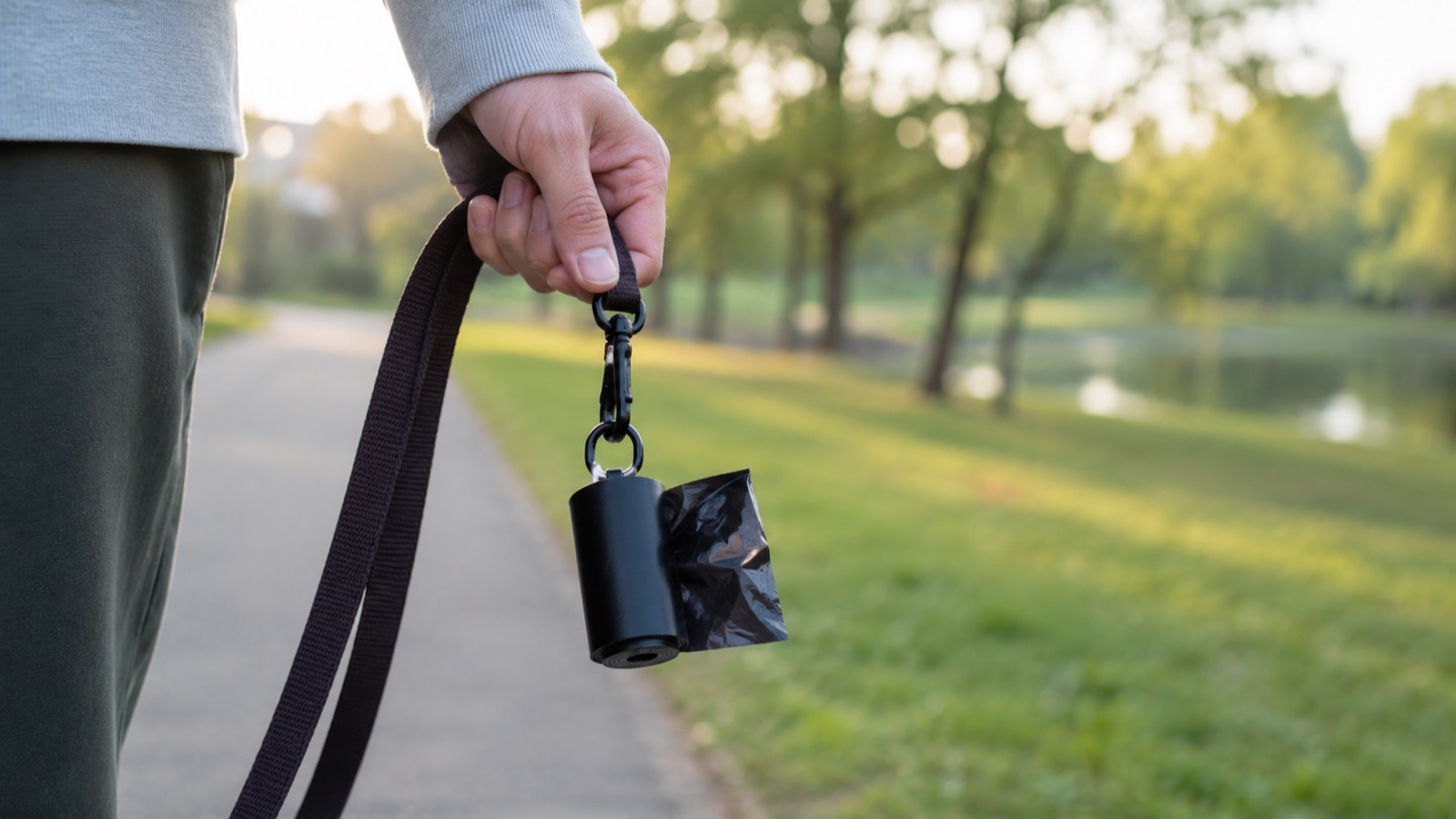
Bagging is where many owners cut corners, but a strong bag prevents leaks and skin contact. Choosing a durable Dog poop bag keeps the disposal step clean and safe every single time.
Why Timing Matters So Much
Parasite eggs become infectious only after a period in the environment, so removing waste quickly interrupts the cycle. Fast cleanup is your single most powerful defense against contamination.
Protecting Your Local Environment
Dog waste is a recognized source of water pollution in many communities. When it enters storm drains, it adds nutrients and bacteria that harm streams and lakes. Responsible disposal keeps your neighborhood water cleaner for everyone.
By bagging and disposing of waste in the trash, you break the runoff chain. This small act, repeated daily, has a measurable positive impact on local waterways over time.
Recognizing Warning Signs in Your Dog
Your dog’s stool offers clues about parasite infections. Visible worms, persistent diarrhea, unexplained weight loss, or a dull coat can signal an intestinal parasite that also poses a risk to your household.
If you notice these signs, schedule a vet visit promptly. Early treatment protects your dog and prevents the parasite from spreading through waste into your yard and onto family members. Routine fecal exams catch many infections before symptoms even appear.
Cleaning Up Safely to Protect Everyone
Safe cleanup technique matters as much as frequency. Handling waste carelessly can expose you to the very pathogens you are trying to remove, so a few precautions go a long way.
Practice these safe-handling habits:
- Wear gloves or use a long-handle tool to avoid direct contact.
- Bag waste immediately in a leak-proof liner.
- Keep children and pets away during cleanup.
- Disinfect any tools that touch waste directly.
- Wash your hands thoroughly with soap afterward.
These precautions turn a risky chore into a safe one. Combined with prompt removal, they keep the pathogens in dog waste from ever reaching the people you love.
Frequently Asked Questions
Is dog waste really dangerous to human health?
Yes. Dog waste can carry roundworms, hookworms, giardia, and bacteria like salmonella and E. coli. Many of these are zoonotic and spread through contaminated soil, so prompt cleanup protects people.
How long do parasites survive in dog waste?
Some parasite eggs, especially roundworms, can survive in soil for months or even years. This durability is why leaving waste in the yard poses a lasting hazard beyond the visible mess.
Can I get sick from my own dog’s poop?
It is possible, particularly if your dog carries parasites or bacteria. Washing your hands after cleanup, keeping your dog dewormed, and disposing of waste properly greatly reduce the risk.
Is it safe to compost dog waste?
Not in standard garden compost, since typical piles do not reach temperatures that kill pathogens. Keep dog waste out of edible gardens and use secure disposal instead.
Conclusion: Small Habits, Big Protection
Dog waste health hazards are real, but they are also easy to manage. Prompt pickup, secure bagging, good hand hygiene, and regular deworming eliminate nearly all the risk to your family and community in 2026.
Take control today with the right tools for fast, clean removal. Explore durable scoopers and bags, or connect with quality service providers for more practical guidance. A safer, healthier yard starts with your very next cleanup.