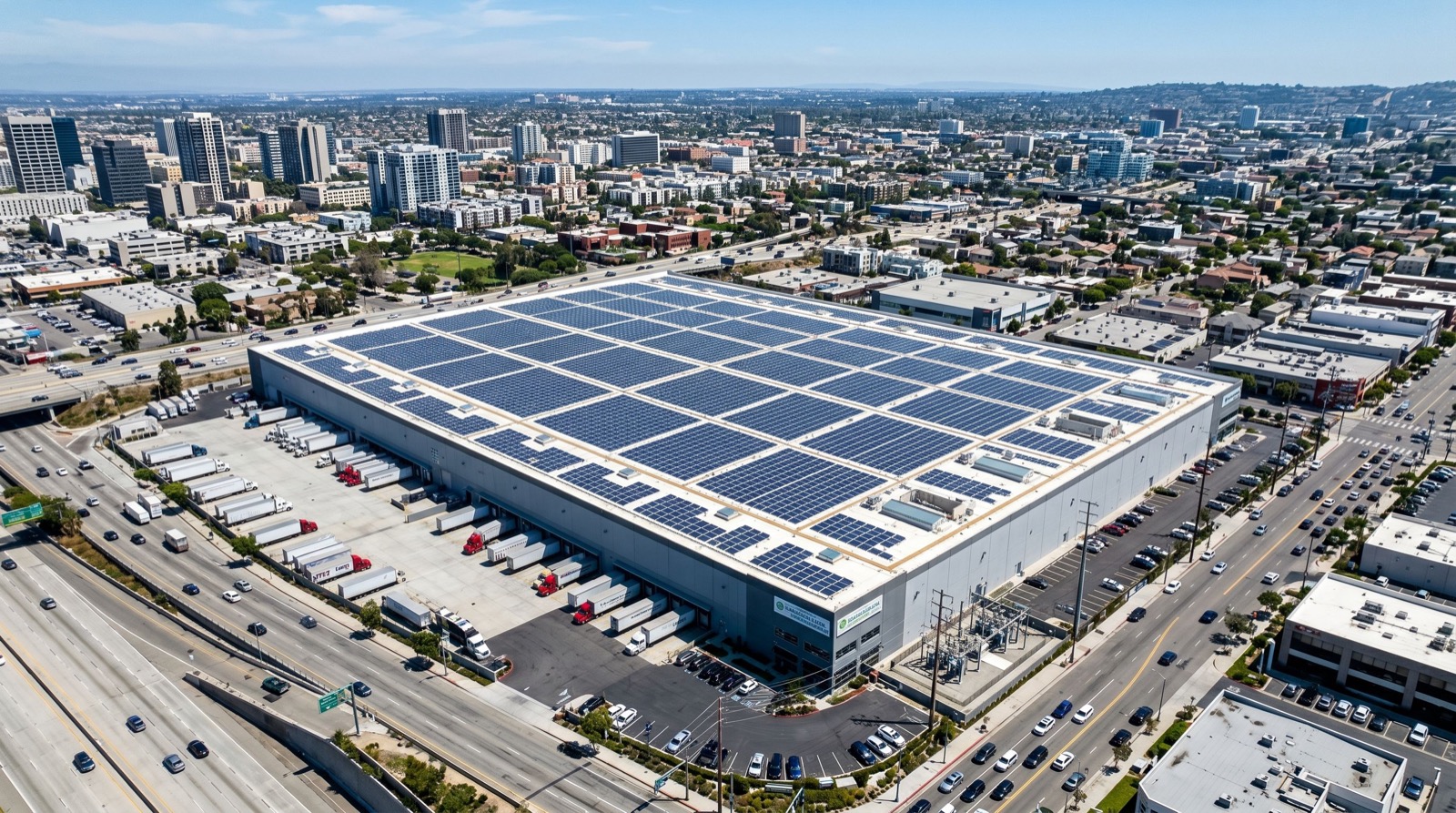
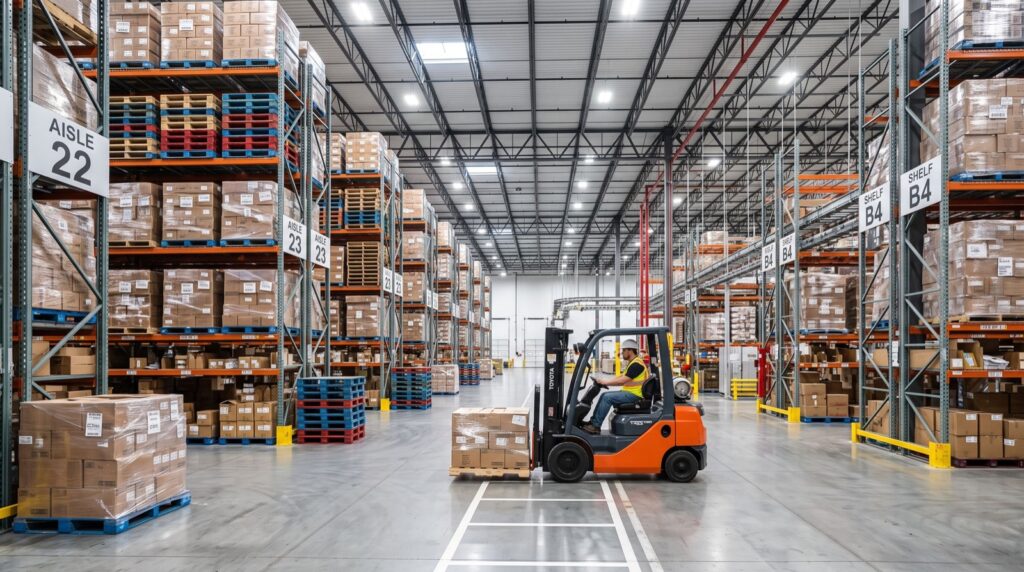
Ambient storage is the quiet workhorse of Saudi Arabia’s fast-growing retail and wholesale supply chains. While chilled and frozen warehouses grab the headlines, the vast majority of packaged goods, dry ingredients, and non-perishable stock actually move through temperature-stable, room-temperature facilities. In 2026, as e-commerce order volumes across Riyadh and Dammam continue to climb, getting ambient storage right is what keeps shelves full and margins healthy.
This guide breaks down how ambient warehousing works, where it fits alongside cold-chain solutions, and how wholesalers and retailers can control cost without risking product quality. Whether you run a single supermarket or a national distribution network, understanding the fundamentals of dry, room-temperature storage will help you plan capacity, protect stock, and stay compliant with local food-safety rules.
What Is Ambient Storage and Why It Matters
Ambient storage refers to warehousing that holds goods at normal room temperature, typically between 15°C and 25°C, without active heating or refrigeration. It suits products that do not spoil at room temperature: canned goods, rice, flour, bottled beverages, cleaning supplies, packaged snacks, and most household retail lines.
Because it avoids the energy cost of refrigeration, ambient warehousing is the most economical storage tier. However, “no refrigeration” does not mean “no control.” In the Kingdom’s climate, uncontrolled warehouses can easily exceed 40°C in summer, which degrades packaging, spoils oils, and voids manufacturer warranties. Professional Ambient Storage facilities use insulation, ventilation, and humidity monitoring to keep conditions stable year-round.
Which Products Belong in Ambient vs Cold Storage?
Choosing the right tier saves money and prevents waste. The table below maps common categories to their ideal storage environment.
| Product Category | Recommended Environment | Target Temperature |
|---|---|---|
| Canned & jarred goods | Ambient / dry | 15–25°C |
| Rice, flour, pasta, sugar | Ambient (low humidity) | 15–25°C |
| Bottled water & soft drinks | Ambient | 10–25°C |
| Fresh dairy & deli | Chilled | 0–4°C |
| Fresh produce (most) | Chilled | 2–8°C |
| Meat, seafood, ice cream | Frozen | -18°C or below |
Ambient Storage for Wholesalers and Retailers
For distributors, the economics of ambient warehousing are compelling. Because it carries lower operating costs than refrigerated space, it lets wholesalers hold larger buffer inventories affordably. That buffer matters in a market where import lead times and seasonal demand spikes, such as Ramadan and Hajj, can strain supply.
Retailers benefit differently. A well-run ambient facility acts as a forward-stocking hub, replenishing store shelves quickly and reducing costly out-of-stock events. Specialized providers offering Storage for Wholesalers and Retailers combine racking systems, barcode inventory control, and flexible lease terms so growing brands avoid the heavy capital cost of building their own warehouse.
When you evaluate any storage partner, look for the same signals you would expect from other quality service providers: transparent pricing, verifiable compliance records, and responsive account management.
Key Features to Demand From an Ambient Warehouse
- Climate control: insulation and ventilation that hold room temperature even during peak summer heat.
- Pest management: a documented integrated pest-control programme, essential for food-grade storage.
- Racking flexibility: selective, drive-in, or mobile racking to match your SKU profile and turnover.
- Inventory visibility: a warehouse management system (WMS) with real-time stock counts and lot tracking.
- Security: 24/7 CCTV, access control, and fire-suppression systems.
Cost Drivers: How Ambient Storage Pricing Works
Storage cost in Saudi Arabia is usually quoted per pallet position per month, or per square metre for bulk floor storage. Ambient rates sit well below chilled or frozen because they avoid refrigeration energy, which can account for a large share of a cold warehouse’s running cost.
To budget accurately, work through these steps in order:
- Calculate your average and peak pallet counts across a full year.
- Decide how much buffer stock you need for seasonal surges like Ramadan.
- Choose between fixed leased space and flexible on-demand pallet positions.
- Factor in value-added services such as pick-and-pack, labelling, and last-mile dispatch.
- Compare total landed cost, not just the headline per-pallet rate.
Many wholesalers find that a hybrid model, leasing a fixed core of ambient space plus on-demand overflow, delivers the best cost-to-flexibility ratio. This approach keeps fixed costs low while still absorbing demand spikes.
Food Safety and Compliance in 2026
Even room-temperature goods fall under food-safety oversight when they are edible. The Saudi Food and Drug Authority (SFDA) sets storage, hygiene, and traceability expectations for food businesses across the Kingdom. Warehouses handling packaged food should maintain temperature logs, cleaning records, and a first-expired-first-out (FEFO) rotation policy.
You can review the official regulatory framework directly on the Saudi Food and Drug Authority website, which publishes current guidance on food storage and distribution. A credible ambient warehouse will readily share how its procedures align with these standards, and reputable operators welcome the scrutiny.
How Do You Prevent Stock Damage in Hot Climates?
The biggest ambient-storage risk in Saudi Arabia is heat. Combat it with reflective roofing, adequate insulation, and monitored ventilation. Keep pallets off exterior walls, maintain airflow between racks, and use humidity sensors to catch condensation before it damages packaging. These low-cost controls dramatically extend product shelf life.
Why Location and 3PL Services Matter
Where your ambient warehouse sits directly affects your delivery speed and transport cost. A facility close to major highways or population centres in Riyadh or Dammam shortens last-mile routes and helps you hit tight quick-commerce delivery windows. For retailers, proximity to stores can be as valuable as the storage rate itself.
Increasingly, wholesalers pair ambient storage with third-party logistics (3PL) services. Instead of just renting space, they hand off receiving, pick-and-pack, and dispatch to the same provider. This bundled model reduces the number of vendors to manage and often lowers total cost, because the warehouse operator already handles the goods on site.
The result is a leaner supply chain. Your team focuses on selling and sourcing while the storage partner handles the physical flow of inventory from dock to doorstep. For fast-scaling brands, that division of labour is often the difference between smooth growth and operational chaos.
Frequently Asked Questions
What temperature range counts as ambient storage?
Ambient storage generally means holding goods between 15°C and 25°C without active refrigeration. In hot climates, the goal is to keep conditions stable and below roughly 25°C, protecting packaging integrity and product quality without the cost of chilled or frozen space.
Is ambient storage cheaper than chilled or frozen storage?
Yes. Because it avoids the energy cost of refrigeration, ambient storage is the most affordable tier. Wholesalers and retailers use it to hold large volumes of shelf-stable goods economically, reserving costlier chilled and frozen space only for perishables that truly need it.
Can wholesalers and retailers share a single warehouse?
Absolutely. Modern 3PL facilities in Riyadh and Dammam offer multi-client ambient warehousing with segregated zones, dedicated racking, and separate inventory records, so brands share infrastructure and cost while keeping their stock fully distinct and traceable.
Do I need SFDA compliance for packaged food storage?
If you store edible goods for sale, yes. Even shelf-stable packaged food is subject to SFDA hygiene and traceability expectations. Choose a warehouse that keeps temperature logs, cleaning records, and FEFO rotation so your products remain compliant and safe.
Conclusion
Ambient storage is far more than a cheaper alternative to cold-chain warehousing, it is the foundation of a resilient retail and wholesale supply chain in Saudi Arabia. By matching each product to the right storage tier, demanding real climate control, and partnering with a compliant provider, you protect both product quality and profit margin. As 2026 demand grows, a smart ambient-storage strategy will keep your shelves stocked, your costs controlled, and your customers satisfied.